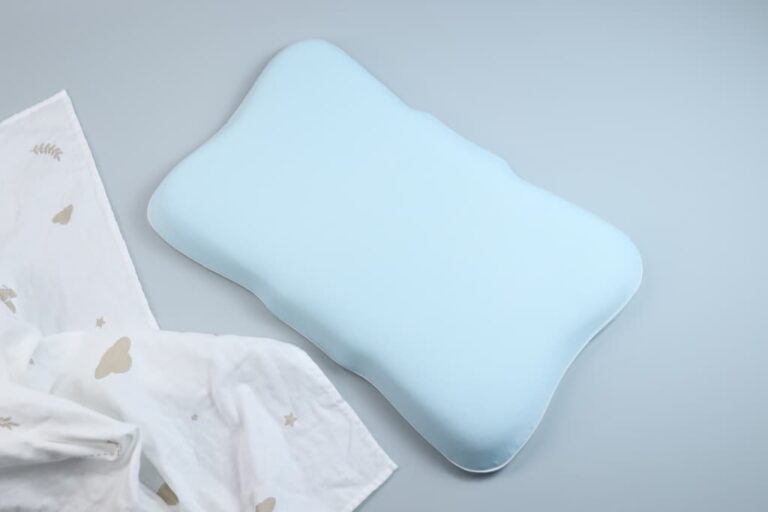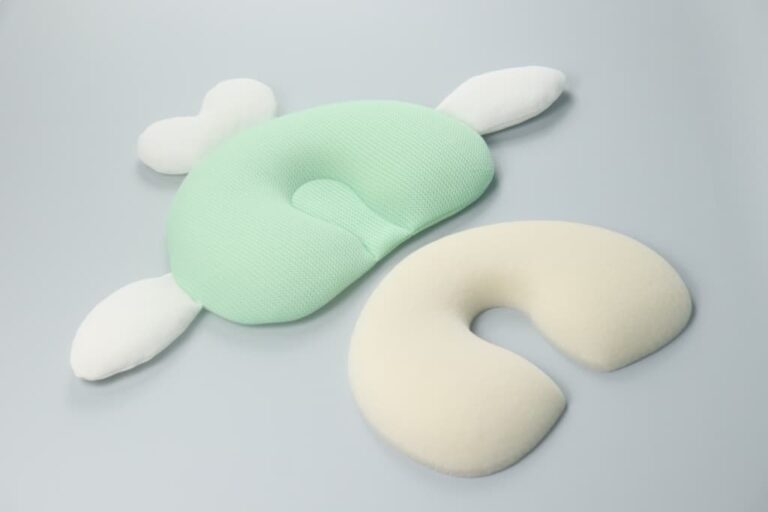
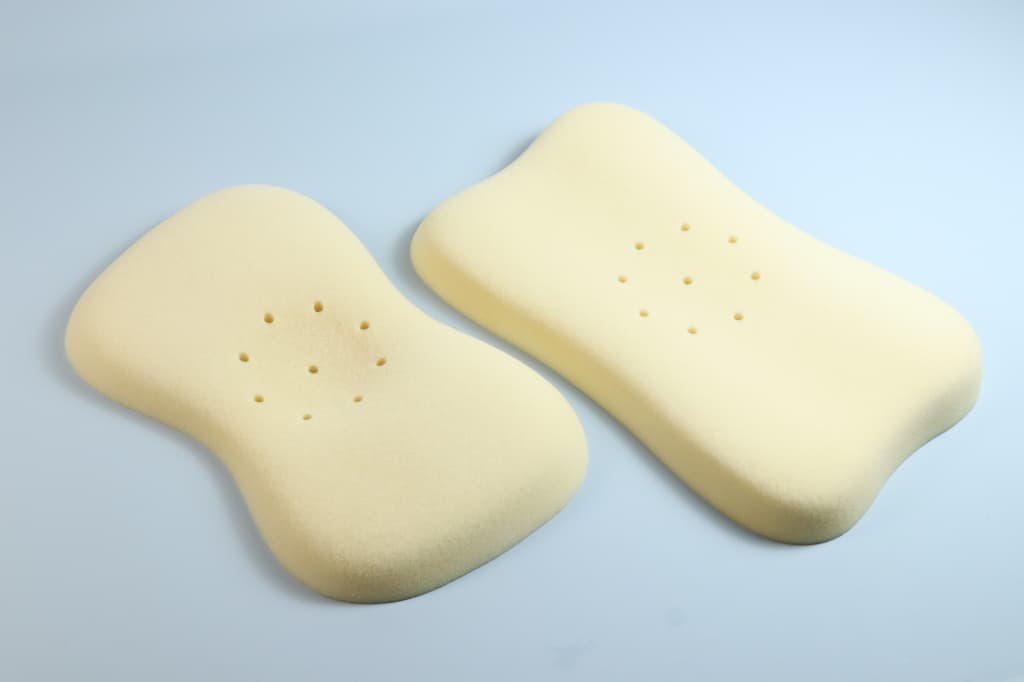
Open-Cell Silicone Foam Innovation Collection
Specialty Collection

Open-Cell Silicone Foam Innovation Collection

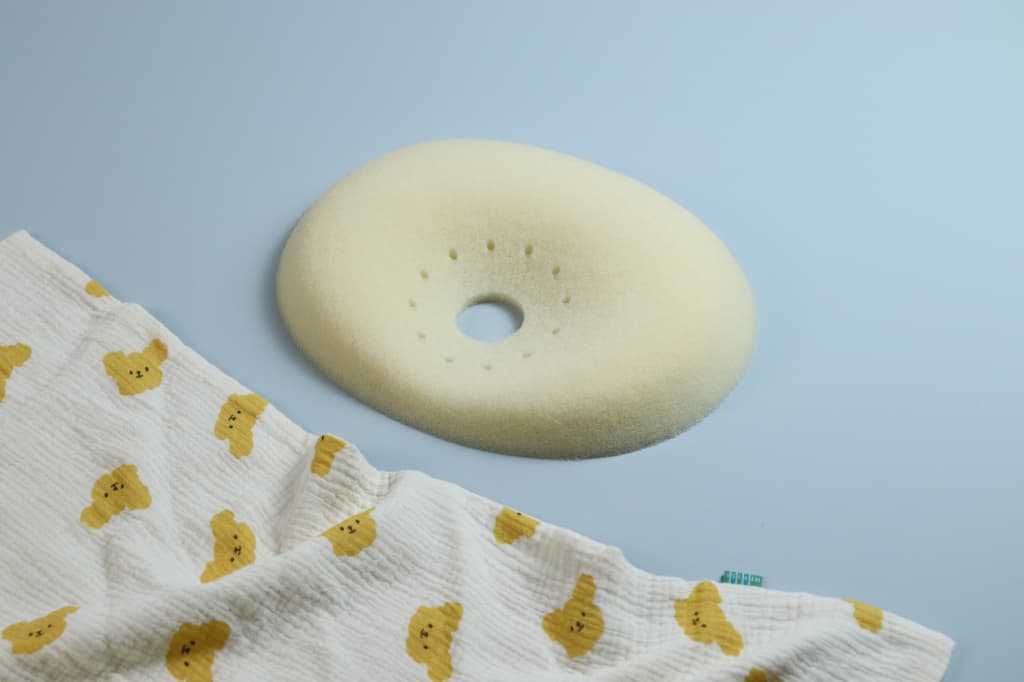
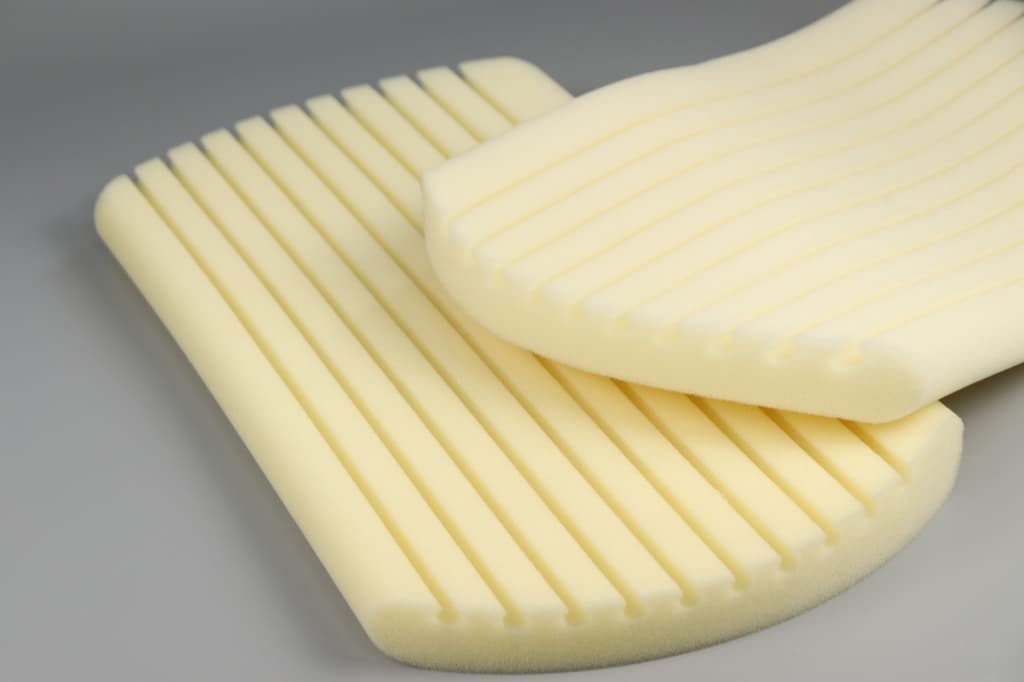
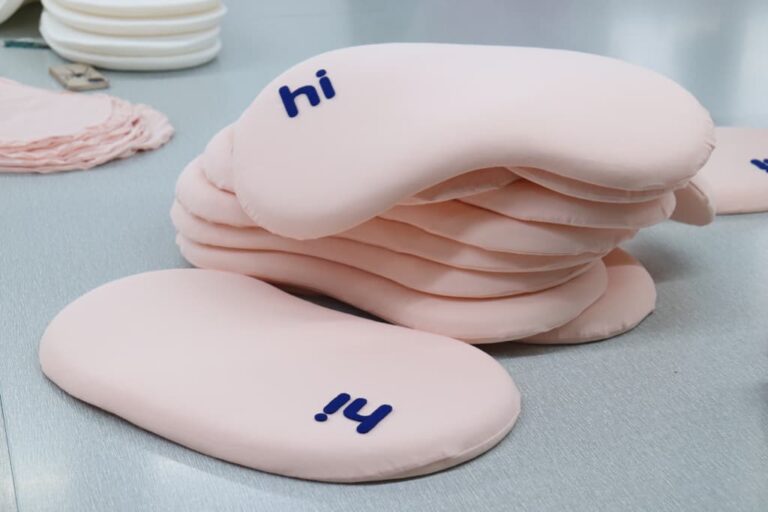
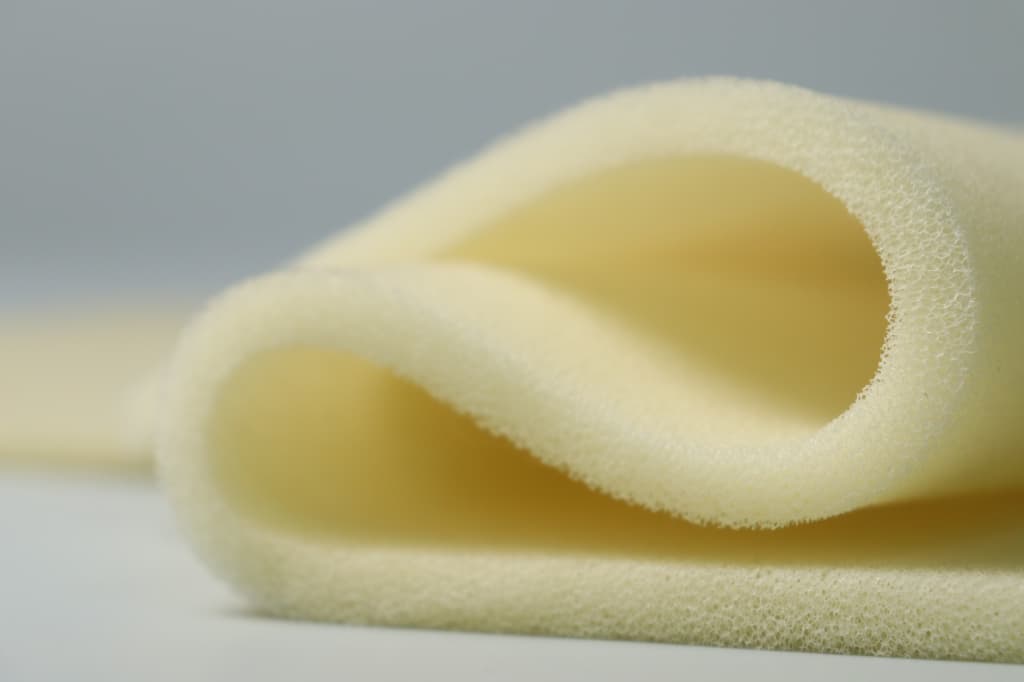
Silicone foam is an emerging alternative to memory foam and latex. Its highly open-cell structure delivers exceptional breathability while maintaining stable resilience over time. Unlike traditional foam materials, silicone foam can withstand repeated washing and offers excellent durability in demanding environments.
This material is especially suitable for pillows, bedding and comfort products requiring airflow, hygiene and long-term performance.
Collection Details

Product Details

Highly Open-Cell Structure

Highly Open-Cell Structure

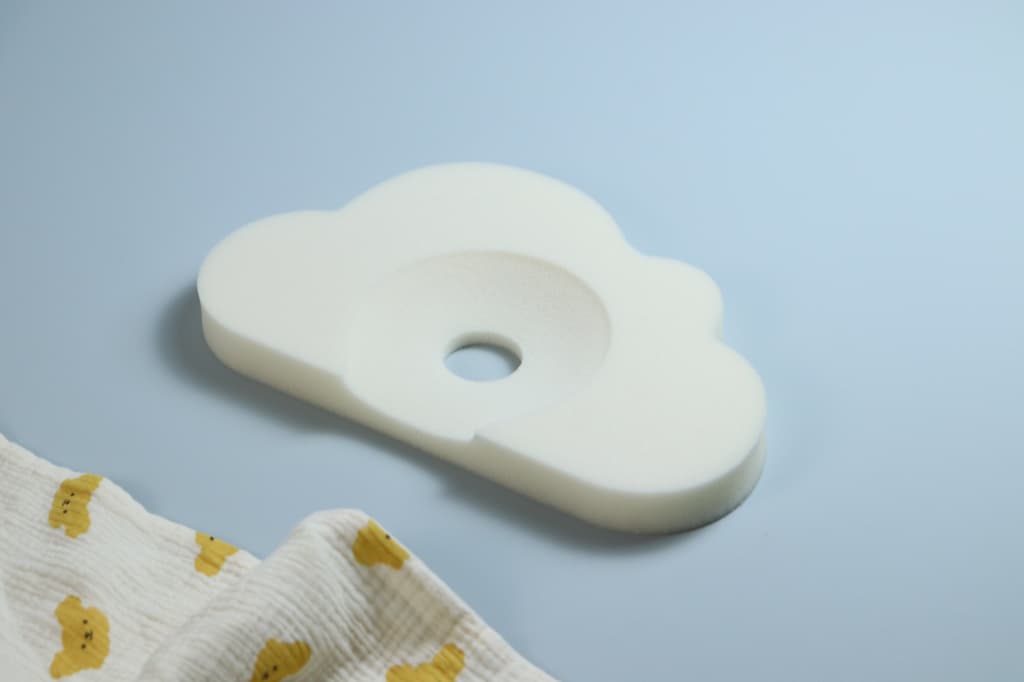
The interconnected pore network allows air to move freely throughout the material, creating a cooler sleeping environment. This makes silicone foam particularly suitable for newborn head-shaping pillows where breathability is a critical consideration.
Long-Lasting Resilience

Long-Lasting Resilience

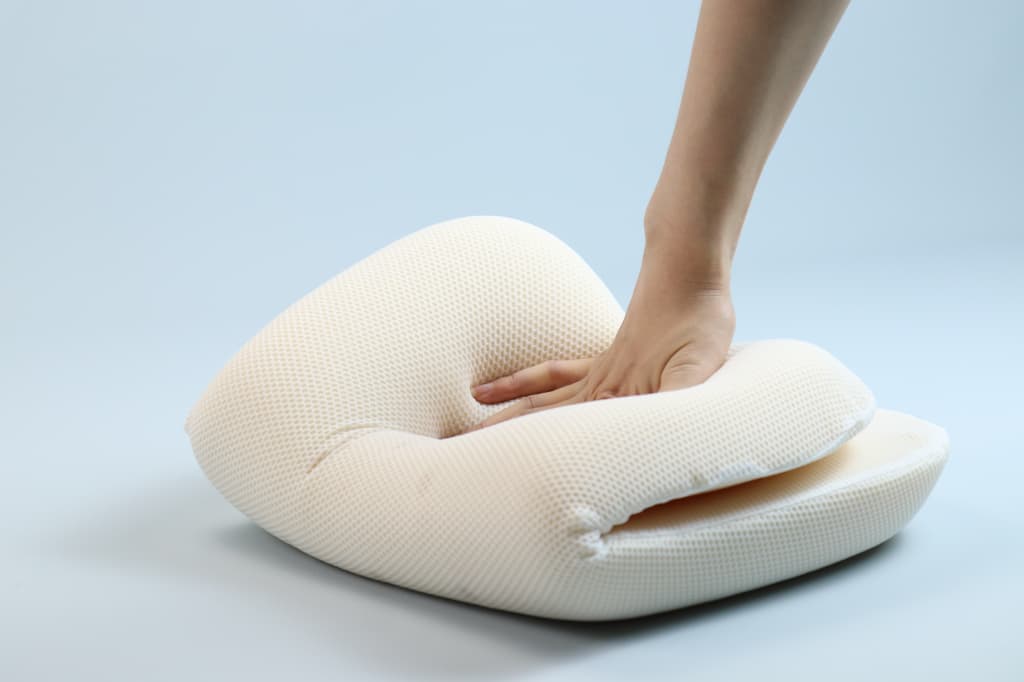
Silicone foam maintains its shape and support even after extended use. This stable performance is ideal for children’s pillows that need to provide consistent comfort throughout years of daily use.
Washable & Easy to Maintain

Washable & Easy to Maintain

Unlike many traditional foam materials, silicone foam can be washed more easily and dries relatively quickly. This advantage is especially valuable for travel head protection pillows that may require frequent cleaning.
Hygienic Sleeping Environment

Hygienic Sleeping Environment

The highly breathable structure helps reduce moisture accumulation inside the product, creating a fresher sleeping environment. This feature supports the development of healthier sleep products for growing children.
Innovative Material Differentiation

Innovative Material Differentiation

Silicone foam remains relatively uncommon in the bedding market, giving brands a unique selling point. Its application in micro-gravity summer quilts creates a distinctive comfort experience that stands apart from conventional cooling bedding products.
Related Tests

Relative Tests