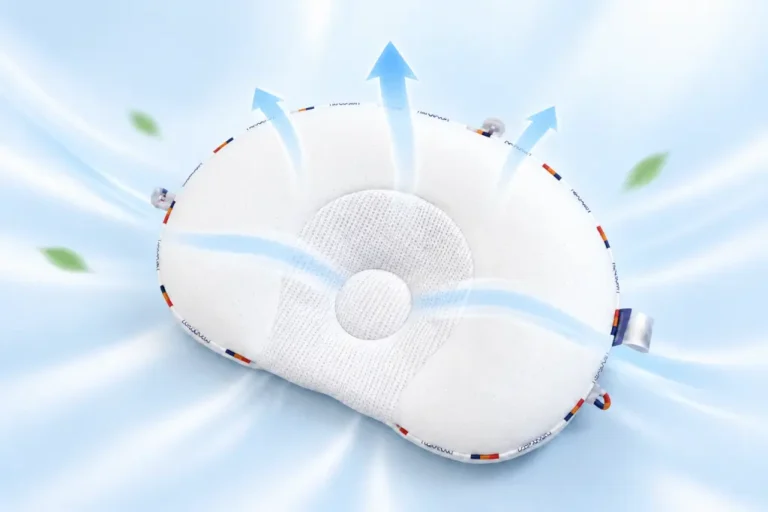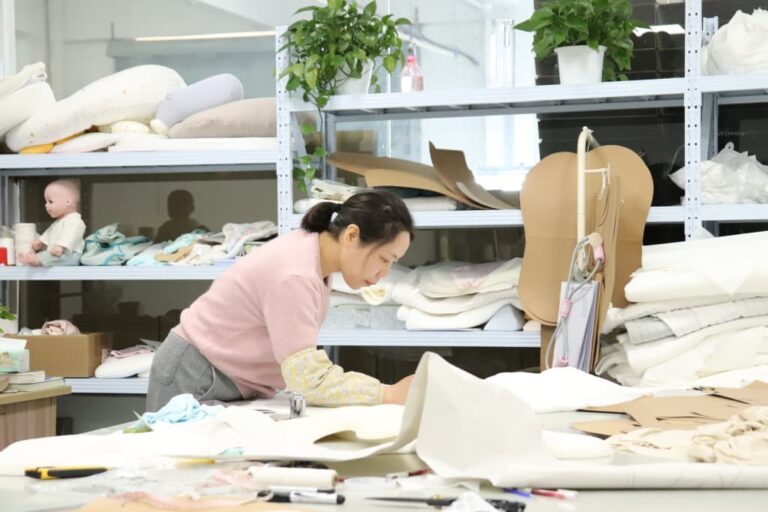
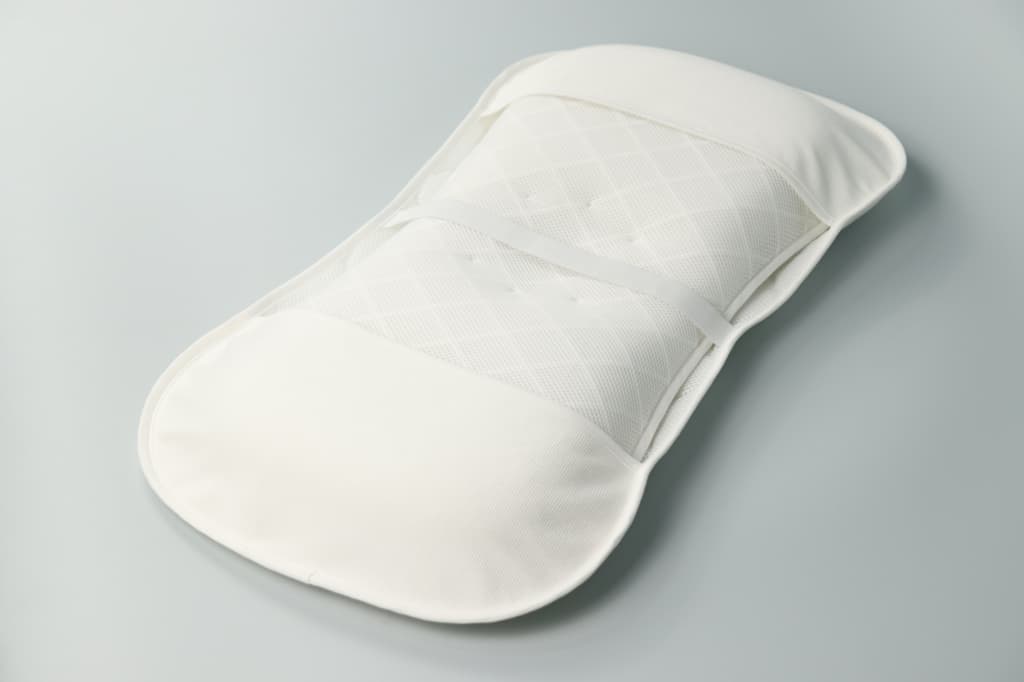
A well-designed removable pillow cover should fit the core accurately, open easily for washing, and maintain its shape after laundering. For baby and kids pillow brands, fabric selection, closure design, and pattern development are key parts of product development.
At Mefiss Hometex, we develop pillow covers for different core materials, shapes, and seasonal uses. Our product range includes cotton knitted covers, cooling nylon covers, and removable double-sided covers made with different fabrics.
This guide explains how to choose cover materials, select a closure, develop the pattern, and control fabric shrinkage, using real Mefiss product examples and manufacturing experience.
1|Choose the Right Fabric for the Pillow Cover
Fabric choice influences the cover’s hand feel, appearance, stretch, and seasonal positioning. Mefiss commonly uses cotton knitted fabric and also develops pillow covers with cooling nylon and air-layer fabric.
1.1|Cotton Knitted Fabric for Everyday Use
Cotton knitted fabric is a popular all-season option for baby and kids pillow covers. Its soft textile feel and familiar appearance make it suitable for everyday pillow collections.
For removable cotton covers, Mefiss develops a dedicated pattern around the intended pillow core. The sample is then checked for dimensions, construction, and fit before bulk manufacturing.
1.2|Cooling Nylon for Summer and Shaped Pillows
Cooling nylon is commonly selected for summer pillow covers. Its smooth surface and good elasticity make it suitable for shaped products and decorative panel construction.
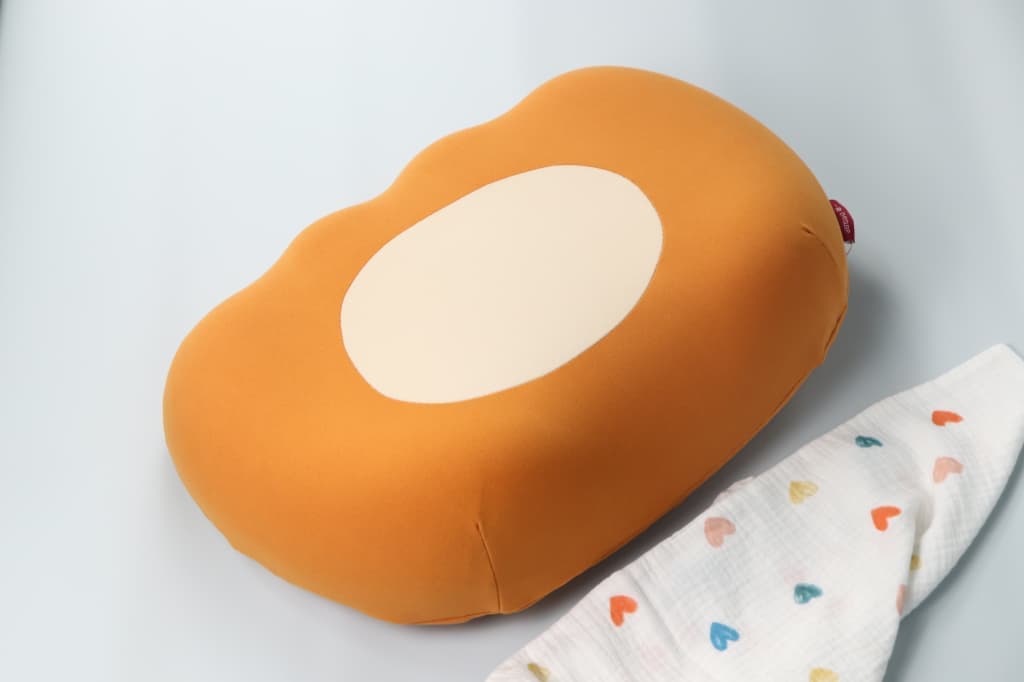
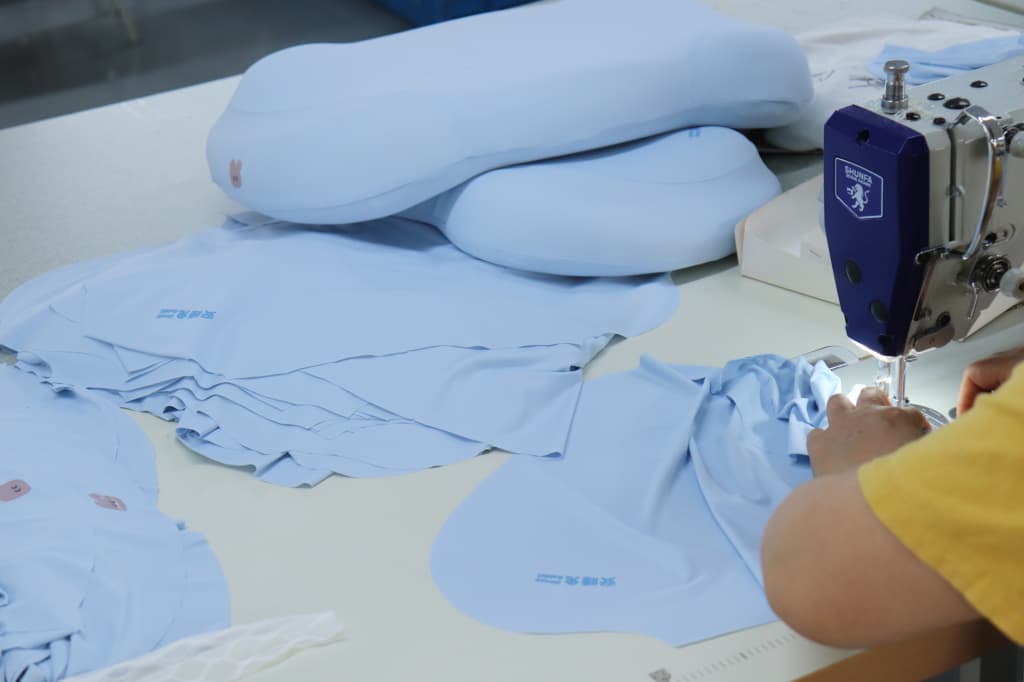
The Mefiss FBA-183J cat-paw silicone kids pillow combines a shaped silicone foam core with a cooling nylon cover. The cover follows the product’s distinctive outline and gives the pillow its smooth, cooling-touch surface.
The cover pattern is developed around the actual core shape so the curved outline and sewn panels follow the intended design.
1.3|Air-Layer Fabric for Fixed Surfaces and Removable Covers
Air-layer fabric can be used as a fixed outer surface on a shaped pillow or as part of a separate removable cover. These are two different constructions, and both are used in pillow product development.
The Mefiss FBA-60C Korean-version zoned kids pillow is an example of a removable cover using air-layer fabric. Its double-sided cover combines small waffle fabric on one side with Lyocell air-layer fabric on the other, providing two different surface textures in one cover.
The two fabrics form the removable cover itself rather than a permanently attached outer layer. This construction allows the cover to be taken off separately for washing.
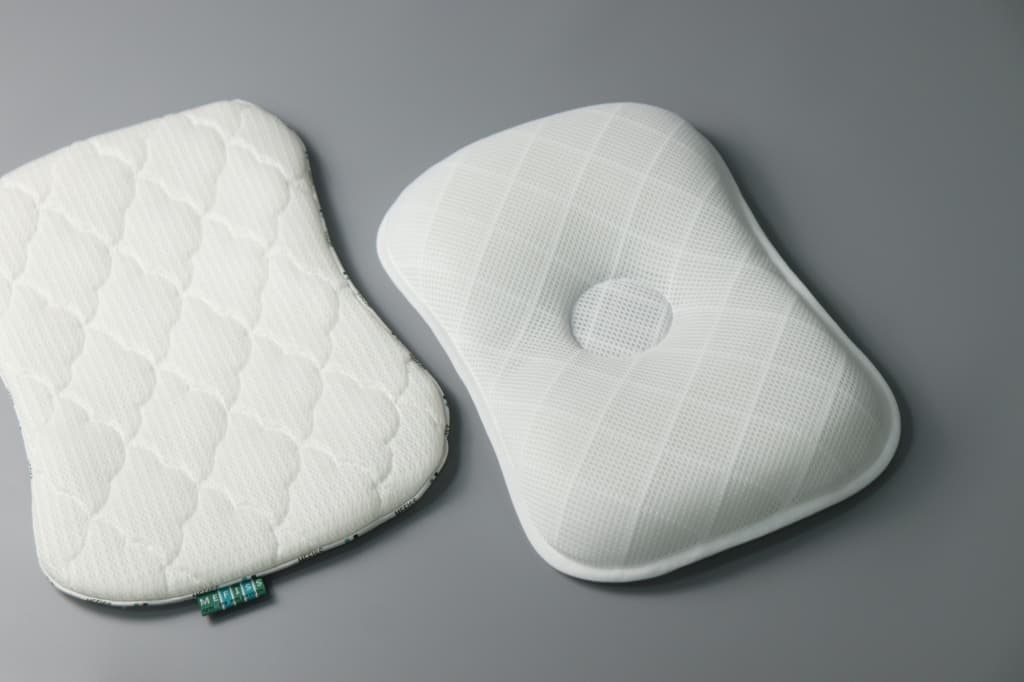
For breathable textile options, visit Mefiss Textile’s spacer mesh introduction. Mefiss Textile is our own fabric weaving operation, manufacturing spacer mesh materials for breathable pillows and bedding products. You can also explore our 3D mesh fabric range.
2|Choose a Closure for Children’s Pillow Covers
Mefiss develops removable pillow covers with hidden bottom zippers and envelope-style openings. Both constructions allow the cover to be removed, but they use different closure methods.
2.1|Hidden Bottom Zipper
A hidden zipper along the bottom keeps the closure away from the main sleeping surface and gives the pillow a clean appearance.
During pattern development, the zipper opening is positioned to allow the core to be removed and reinserted. The zipper ends and surrounding seams are incorporated into the cover construction.
Finished covers are checked for zipper operation, broken threads, and open seams. These are practical inspection points for the completed product.
2.2|Envelope-Style Cover
An envelope-style cover uses an overlapping fabric opening instead of a zipper. It avoids a zipper puller and allows the cover to be removed for washing.
The overlap is incorporated into the original pattern. After sewing, the cover is checked with the intended core to confirm that the finished construction encloses the pillow as designed.
The closure method is determined during product development so the opening, cover pattern, and core structure work together.
3|Develop the Cover Pattern Around the Core
Mefiss develops dedicated patterns for pillow covers and cores. This is particularly important for shaped pillows and products with internal adjustment structures.
3.1|Memory Foam and Silicone Foam Cores
Memory foam and silicone foam cores have defined shapes that serve as the reference for cover pattern development. The pattern follows the core dimensions and contours, with seam allowances and the selected fabric construction incorporated into the finished design.
The FBA-183J silicone kids pillow is one example. Its cat-paw outline is reflected in the cover pattern, allowing the sewn panels to follow the intended product shape.
3.2|Tube-Filled Pillows Need Detailed Construction Planning
Tube-filled pillows often have more complex internal structures than pillows with a single formed core. They may include separate filling zones, sewn compartments, and adjustable sections that cannot be seen from the outside.
The Mefiss FBA-60M adjustable kids pillow uses three independently filled zones containing PE tubes. Its removable crepe cotton cover sits over a separate semi-transparent spacer mesh inner cover.
The outer cover is patterned around the finished pillow shape, while the inner compartments keep the filling in the intended zones. The cover, inner cover, and filling structure are planned together during development.
Explore the Mefiss finished product collection to learn more about our pillow range and product structures.
4|Check Shrinkage During Pre-Production Sampling
Fabric shrinkage must be considered before the cover pattern is finalized. At Mefiss, we machine-wash the pre-production sample and allow it to dry before checking the result.
After washing and drying, the team checks the cover dimensions, shape, and fit with the pillow core. The pattern allowance is established with the observed fabric dimensional change in mind, helping the cover maintain a suitable fit after laundering.
Cotton knitted fabric, cooling nylon, and air-layer fabric can respond differently during washing. Mefiss checks the actual sample made with the selected fabric and uses the results to guide pattern development.
For textile testing references, ISO 6330 describes domestic washing and drying procedures, while ISO 5077 addresses the determination of dimensional change in washing and drying.
Mefiss Manufacturing Insight: During pre-production sampling, we machine-wash and dry the sample before checking its dimensions and fit. This allows us to account for fabric shrinkage during pattern development rather than discovering a fit problem after mass production.
5|Inspect the Finished Cover Before Mass Production
After the sample is completed, the cover is checked with its intended core. The inspection focuses on the finished construction and details that affect everyday use.
- Cover fit: Check that the cover follows the approved core shape.
- Closure: Check the hidden zipper or envelope opening.
- Sewing: Inspect for broken threads and open seams.
- Labels: Confirm the brand label and care label positions.
- After washing: Check dimensional change and confirm that the cover can be removed and reinstalled as intended.
After the sample is approved, Mefiss records the confirmed fabric, pattern, closure construction, and other product specifications. A dedicated production process sheet is prepared after sampling, and bulk production follows the documented requirements.
6|Frequently Asked Questions
6.1|Which fabric is suitable for a removable kids pillow cover?
Cotton knitted fabric is a popular all-season option. Cooling nylon is commonly used for summer products, while air-layer fabric can be used for either a fixed outer surface or a separate removable cover, depending on the construction.
6.2|Can air-layer fabric be used for a removable pillow cover?
Yes. The Mefiss FBA-60C Korean-version zoned kids pillow uses a removable double-sided cover with small waffle fabric on one side and Lyocell air-layer fabric on the other.
6.3|Why do tube-filled pillows need more detailed pattern development?
Tube-filled pillows may contain separate filling zones and internal compartments. The cover and inner structure must be developed together so the finished pillow maintains its intended shape and filling arrangement.
6.4|How does Mefiss check pillow covers after washing?
During pre-production sampling, Mefiss machine-washes and dries the sample, then checks its dimensions, shape, and fit with the core. The results help determine the pattern allowance before bulk production.
7|Conclusion: Design the Cover and Core Together
A successful removable pillow cover starts with the right fabric and a pattern developed for the actual core. Closure placement, internal construction, and wash shrinkage are addressed during product development.
The Mefiss FBA-60C demonstrates how Lyocell air-layer fabric can be used in a removable double-sided cover, while the FBA-183J shows how cooling nylon can be incorporated into a shaped silicone kids pillow.
By washing and drying pre-production samples and checking their dimensions, Mefiss accounts for fabric dimensional change during pattern development and establishes a clearer reference for mass production.
Develop Your Custom Pillow with Mefiss Hometex
Planning a new baby or kids pillow collection? Share your preferred fabric, pillow dimensions, core material, closure design, washing requirements, and estimated order quantity. Our team can help develop the cover pattern and construction for your product.
Explore Mefiss Products | Explore Pillow Development | Contact Mefiss Hometex